



The recent consultation between the Juba City Council (JCC) and hotel operators over the proposed increase in waste collection fees presents an opportunity far greater than deciding who pays more. It is an opportunity to rethink what waste actually is.
The greatest mistake many city authorities make is believing that garbage is an expense. Around the world, visionary cities have discovered that garbage is one of the most valuable resources they collect every day.
The question before Juba should therefore not be, “How much should we charge?” It should be, “How much wealth are we throwing away?”
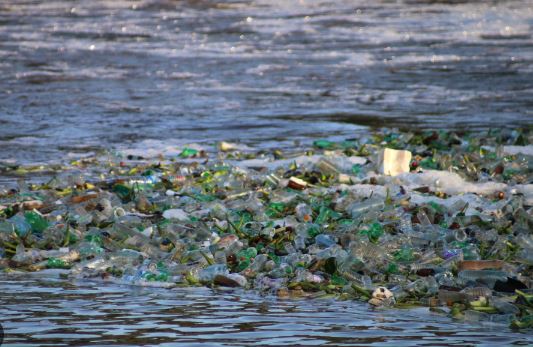
Every truckload of waste entering Juba contains electricity, cooking gas, organic fertilizer, recyclable metals, plastic products, construction materials, and thousands of potential jobs. Yet we continue transporting this wealth to open dumping sites where it breeds mosquitoes, contaminates water sources, releases methane into the atmosphere, and becomes a public health disaster.
That is not waste management; it is resource destruction.
There is an old Chinese proverb that says, “The best time to plant a tree was 20 years ago. The second-best time is now.” Juba does not have to reinvent the wheel. It simply needs to learn from cities and countries that have already transformed waste into prosperity.
Singapore offers perhaps the greatest lesson. When Lee Kuan Yew assumed leadership, Singapore was a poor, overcrowded city with poor sanitation, polluted rivers, and serious waste management challenges. He understood something many leaders still fail to appreciate today: cleanliness is not merely a public health issue; it is an economic strategy.
Singapore invested in disciplined governance, world-class sanitation, waste segregation, recycling, waste-to-energy technologies, and uncompromising environmental standards. Today, most of the waste it has not recycled is incinerated to generate electricity, and its offshore landfills receive mainly the residual ash. Investors do not choose Singapore simply because of low taxes. They chose Singapore because its systems work.
Lee Kuan Yew famously demonstrated that a clean city is a competitive city.
That is a lesson Juba cannot afford to ignore.
Rwanda teaches the same lesson closer to home. Kigali did not become one of Africa’s cleanest cities by increasing garbage collection fees. It became clean because leadership made cleanliness a national development priority. Community participation, strict standards, accountability, and private-sector partnerships transformed the city into one of Africa’s most attractive investment destinations.
Sweden provides another remarkable example. Its waste-to-energy plants are so efficient, and its recycling culture so entrenched, that Sweden imports waste from neighboring countries to feed its power stations. Imagine that. One country’s rubbish has become another country’s energy resource.
Ethiopia has shown that Africa can pursue the same path. The Reppie Waste-to-Energy Plant in Addis Ababa was built to convert municipal waste into electricity while reducing landfill volumes and improving environmental health. Its record has not been without difficulty, but the ambition itself is instructive. If Addis Ababa can attempt it, there is no reason Juba cannot.
Morocco transformed abundant sunshine into one of the world’s largest solar energy programmes. The United Arab Emirates transformed the desert into one of the world’s leading investment destinations. Neither country waited until it became rich before adopting world-class standards. They became prosperous because they adopted world-class thinking.
The lesson is universal: vision comes before infrastructure; leadership comes before investment, and standards come before prosperity.
Hotels should certainly contribute fairly towards keeping Juba clean. So should households, markets, industries, and institutions. But every taxpayer has a legitimate question: What exactly are we paying for?
If waste collection fees merely finance fuel, truck maintenance, and salaries, Juba will remain trapped in an endless cycle of collecting waste without solving the waste problem. Instead, every South Sudanese Pound collected should become an investment.
Investment in recycling. Investment in waste segregation. Investment in composting. Investment in waste-to-energy. Investment in cleaner neighborhoods. Investment in green industries. Investment in jobs. Investment in public health. Investment in climate resilience. Investment in the future.
The Juba City Council should ring-fence every pound collected through waste management fees. These funds should be transparently managed through independently audited annual reports and a publicly accessible digital dashboard showing revenue collected, operational costs, recycling rates, collection coverage, electricity generated, compost produced and environmental performance.
Transparency builds trust. Trust improves compliance. Compliance increases revenue. Revenue improves services. Better services strengthen the economy. That is how successful cities are governed.
Even more importantly, JCC should begin planning South Sudan’s first integrated Waste-to-Energy programme. Municipal waste can generate electricity for street lighting, hospitals, schools, markets, water treatment plants, and government institutions. Organic waste can produce biogas for cooking. Compost can support commercial agriculture. Plastic waste can be converted into paving blocks, roofing materials, and plastic-modified asphalt that outlasts conventional roads.
There is a further opportunity we cannot afford to overlook. Through solarization, Juba can begin manufacturing today and cut the generator fumes choking our neighborhoods, even as we wait for renewable energy to be scaled up. This is a far worthier journey than importing power at ruinous cost. It is a great peace dividend, a powerful security driver, and a durable anchor for sustainable development. Every megawatt we generate at home is a megawatt we no longer import, and every liter of diesel we do not burn is money and clean air returned to our people.
Instead of spending millions managing waste, Juba could eventually earn millions from waste. Imagine schoolchildren collecting plastic because it has value. Imagine youth cooperatives earning sustainable livelihoods through recycling. Imagine communities competing to keep their neighborhoods clean because cleanliness generates income. Imagine hotels paying waste collection fees, knowing that yesterday’s garbage is producing tomorrow’s electricity.
That is called the circular economy. That is where the 21st century is heading.
History also teaches another important lesson. During the Industrial Revolution, cities that ignored sanitation repeatedly suffered devastating cholera outbreaks until governments realized that public health was not an expense but an investment in economic productivity.
As a physician, I see disease where others see rubbish. As a renewable energy advocate and entrepreneur, I see fuel where others see waste. As a strategist, I see one of South Sudan’s greatest untapped economic opportunities.
JCC should therefore stop measuring success by the amount of waste collected or the amount of revenue generated from fees.
The true measure of success is how much electricity is produced. How many jobs are created? How much waste is recycled? How much disease is prevented? How much investment is attracted? How clean does the city become? How much confidence have citizens regained in their local government?
There is an African proverb that says, “The child who is not embraced by the village will burn it down to feel its warmth.” The same is true of urban governance. When citizens see no value in the system, they disengage. But when waste becomes wealth, they become development partners.
Juba does not have a garbage problem; Juba has a leadership opportunity.
History will not remember the council that increased waste collection fees. History will remember the council that transformed garbage into prosperity, powered homes with waste, created thousands of jobs, protected public health, and made Juba one of Africa’s cleanest and most competitive capitals.
That is the legacy worthy of a great city!
The writer is a Juba-based medical doctor and concerned citizen. He can be reached via sokiril8@gmail.com.
The views expressed in ‘opinion’ articles published by Radio Tamazuj are solely those of the writer. The veracity of any claims made is the responsibility of the author, not Radio Tamazuj.

 and then