



Health conditions in the Kutum locality in Sudan’s North Darfur State are causing growing concern after 14 cases of kala-azar, or visceral leishmaniasis, were reported across three health centers, amid fears that the disease could spread further, particularly among children.
Babiker Al-Samani, spokesperson for the Kutum Emergency Response Rooms, said the reported cases included six at the Farouk Health Centre, five at the Abdel Shakour Health Centre and three at the Jabal Oudi Health Centre.
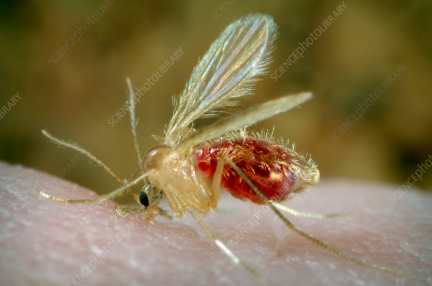
Al-Samani said kala-azar is a serious disease transmitted by sandflies and warned that delays in diagnosis and treatment can lead to severe complications that may prove fatal.
He also highlighted severe challenges facing the health sector in the locality.
“Most health centers are operating through community-led initiatives and under extremely difficult conditions due to a lack of institutional support and shortages of medicines,” Al-Samani said. “Only one doctor is serving the area and some health centers are located around five hours away, making early diagnosis and treatment particularly difficult.”
A resident who requested anonymity said the disease was also affecting children, while no cases had been reported among older people. He claimed that the disease was spreading among members of the same family, from infected individuals to others, and said medicines were largely unavailable in the area.
Amid the worsening situation, the Farouk Emergency Response Room and local health authorities issued an urgent appeal to the relevant authorities and humanitarian organizations to provide the necessary diagnostic tests and medicines, deploy epidemiological surveillance teams, and conduct spraying campaigns to control disease vectors.
They also urged residents to seek medical attention immediately at the nearest health facility if symptoms appear, stressing that early intervention is essential to saving lives and containing the outbreak.

 and then