



For women in South Sudan’s Unity State, survival is shaped as much by silence as by scarcity. Decisions about their bodies and health are often made without their consent, sometimes without care, and frequently too late.
While clinics are marked on maps, aid programs are funded and referral systems are outlined in policy, access collapses under flooding, displacement, insecurity and deeply rooted cultural controls. The result is a dangerous gap between available services and what women can actually reach.
That gap has consequences.
Claire Nakalimo, a sexual and reproductive health specialist with the aid group Cordaid, works with survivors of gender-based violence. She told Radio Tamazuj that many women arrive days after an assault — long past the 72-hour window for emergency contraception or post-exposure prophylaxis for HIV.
“By the time they reach us, it is already late for some of the services,” she said. “Not because the services do not exist, but because they could not get here.”
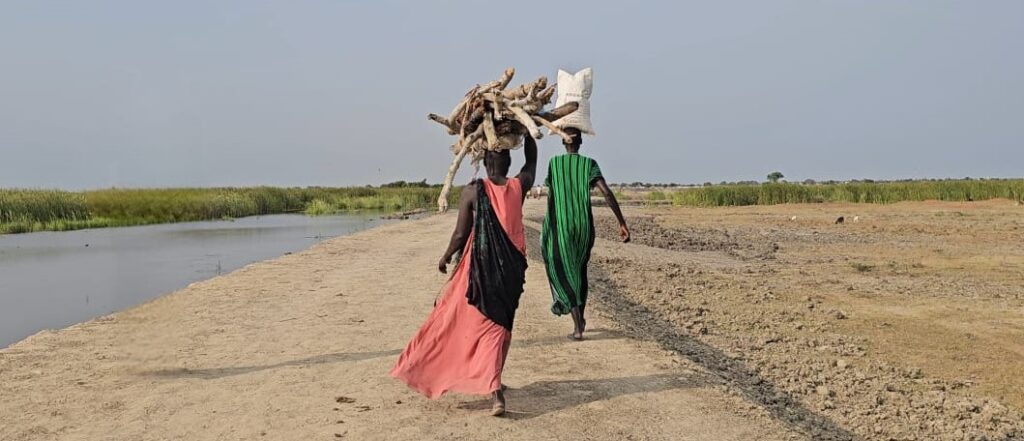
Floodwaters have turned large parts of Unity State into islands. Communities displaced by years of conflict and repeated flooding live in overcrowded settlements with little privacy or protection. Women must travel long distances through unsafe terrain to reach a functioning facility, if transportation is available at all.
Some never make it.
Aid workers say the breakdown of basic systems has intensified exposure to sexual violence and harmful practices, particularly among displaced women and girls.
“These situations are catalyzing violence — including sexual violence and gender-based violence,” said Dr. Hussein Hassan, a senior sexual and reproductive health official with the U.N. Population Fund in South Sudan.
He said many survivors cannot reach care within the critical 72-hour window for emergency medical treatment and psychosocial support — a delay that can permanently alter health outcomes.
Bentiu, in Rubkona County, sits at the center of the crisis. The area hosts overlapping layers of vulnerability: former protection of civilians’ sites, communities displaced by floods and people uprooted by insecurity elsewhere.
Dr. Anwar Zacharia Anwar, who coordinates Cordaid’s health and gender-based violence services across five counties in Unity State, said the concentration of displaced people has increased risks while eroding access.
“People are living in clusters, in tents, without doors,” he said. “There is no separation between men and women, or between adults and children. This environment increases violence.”
Women face heightened danger during daily tasks such as fetching firewood or traveling to markets. Reporting abuse carries stigma, and reaching care requires navigating both physical and social barriers.
Even when women reach health facilities, care is not guaranteed.
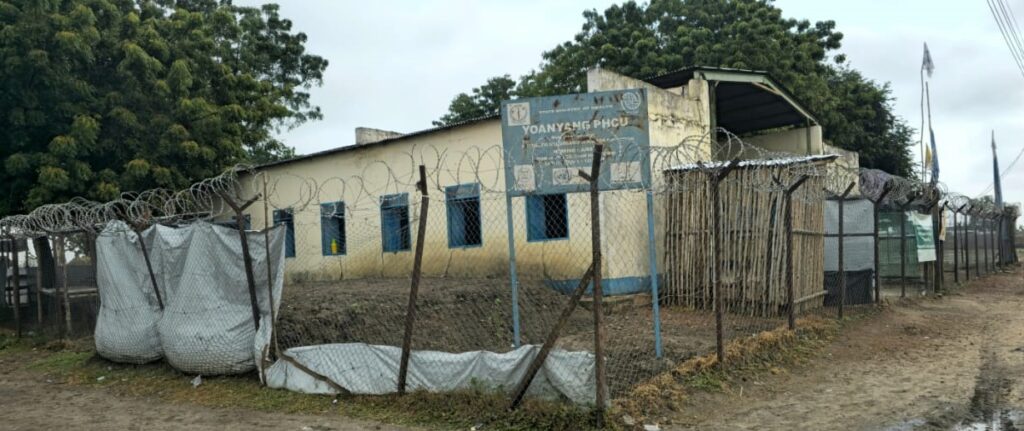
Dr. Anwar described cases in which women in life-threatening condition were unable to receive emergency surgery because consent was withheld by male relatives.
“There are times when a woman is bleeding severely and needs immediate surgery,” he said. “But the husband or male guardian must decide. While we wait, her condition worsens.”
In one case at Bentiu State Hospital, a woman’s life was saved only after senior state health officials overrode family objections. In other cases, Dr. Anwar said, women have died waiting.
“These decisions are not medical,” he said. “They are cultural, and they cost lives.”
U.N. agencies, South Sudan’s health and gender ministries, and aid groups operate women- and girl-friendly spaces, health facilities and community outreach programs in the state. But humanitarian workers acknowledge that the presence of services does not mean women can access them.
Dr. Anwar manages 16 health facilities supported under the U.N. Population Fund’s programs. He said referral pathways exist on paper, but floods, insecurity and funding gaps frequently render them unusable.
“If a survivor in Mayendit needs hospital care, there may be no transport, no road, no boat,” he said. “So even if the referral exists, it cannot function.”
Men and boys are also victims of gender-based violence, but cases are rarely reported due to stigma, Dr. Anwar said.
The U.N. Population Fund says more than 53,700 people accessed sexual, reproductive and gender-based violence services in the state this year. Frontline workers caution that these figures do not capture those who never reach care.
Disability adds another layer of exclusion. Until recently, many facilities were ill-equipped to serve women with physical, hearing or speech impairments.
“The women here are suffering from multiple crises at once,” Dr. Anwar said. “Conflict, flooding, displacement — all of it has come together.”
In Unity State, the risk is not the absence of services, but the distance — physical, cultural and social — between women and care.

 and then