



The South Sudan Bar Association said Thursday it will take legal action against the country’s director general of traffic police over new vehicle regulations and fees that critics call unlawful.
The move follows an order issued Wednesday banning right-hand-drive vehicles, vehicles with tinted windows and those with sliding doors on the left side.
Maj. Gen. Kon John Akot, the traffic police director general, also directed that public transport vehicles with sliding doors must ensure the doors open on the right side.
Motorists were given seven days to comply before enforcement begins.
The traffic police had previously introduced new charges for driving tests and changed renewal periods for vehicle registration logbooks and driving licenses — measures that opponents say violate existing laws.
The directives have drawn condemnation from lawmakers, who argue the measures contradict parliamentary legislation and were enacted without legal authority.
Lawmaker Giel Thou during the parliament session on Tuesday accused the traffic police leadership of imposing rules aimed at extorting money from the public, criticizing the mandatory “driving test certificate” as unlawful.
Similarly, Samuel Pochori Loti, chairperson of the parliamentary Committee on Security and Public Order, said the traffic police director was openly defying the law. He said that including insurance details in traffic records effectively reintroduces annual renewal requirements that parliament had previously scrapped.
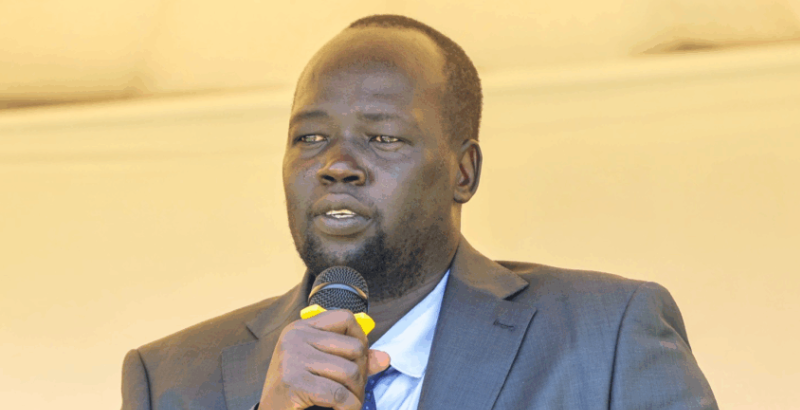
Speaking at the opening of the bar association’s General Assembly in Juba, Chairperson Arop Malueth said the association would take legal action, citing breaches of constitutional and legal rights.
“We have taken note of these directives, which raise serious legal and constitutional concerns. We are committed to taking the necessary actions to uphold the rule of law,” Malueth said.
He announced the formation of a Public Interest Litigation and Human Rights Committee, to be inaugurated in January, which will mobilize bar association members to address such legal concerns.

 and then