



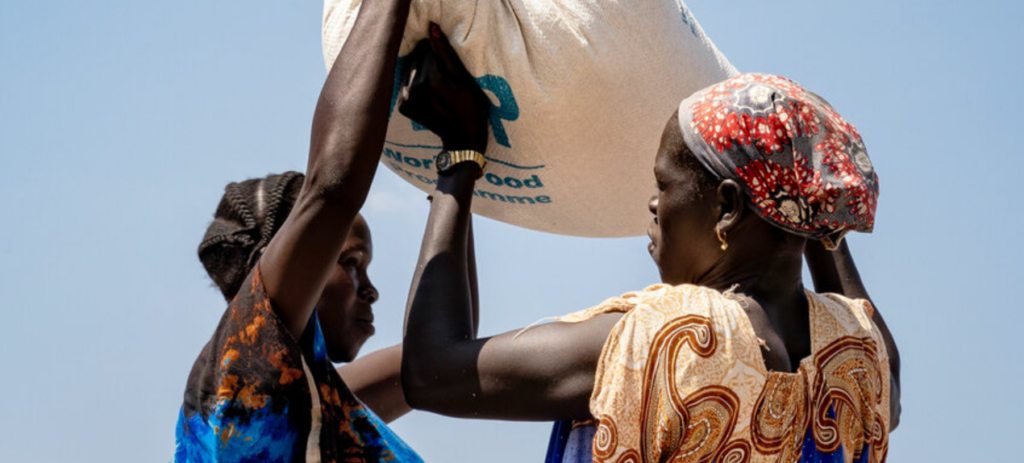
The United States, one of South Sudan’s largest aid donors, has suspended foreign assistance to one county and is reviewing aid to a state following what it says are repeated interference, exploitation and theft by South Sudanese officials targeting American aid programs.
South Sudan is one of the world’s most severe humanitarian emergencies, with the majority of its population relying on international assistance for survival.
In a Thursday statement seen by Radio Tamazuj, the U.S. Embassy in Juba said assistance in Ayod County, Jonglei State, was immediately suspended. It is also reviewing its assistance in Western Bahr el Ghazal State and considering significant reductions.
The United States is a major provider of humanitarian and development assistance to South Sudan, which has been mired in conflict and economic crisis for years.
The latest actions signal a significant escalation in U.S. frustration with authorities who are alleged to be obstructing and diverting aid meant for vulnerable civilians.
The steps were triggered by specific incidents, the embassy said. On Jan. 2, the commissioner of Ayod County detained an aid worker who refused an illegal demand to surrender assets from a U.S. assistance partner.
Since November, the Western Bahr el Ghazal state minister of health has blocked the transfer of pharmaceutical supplies between two U.S. aid partners, ignoring requests to release the supplies.
These actions, the statement said, follow a pattern of abuse by officials at national, state and county levels and contradict the transitional government’s partnership obligations.
The U.S. has provided more than $9.5 billion in assistance to South Sudan since its independence in 2011. The embassy called on the government to take immediate remedial action, including holding accountable officials who have interfered with aid or imposed illegal costs.
The statement reiterated that the U.S. has a “zero-tolerance policy for theft and diversion of life-saving assistance.” The aid review and suspension could have severe consequences for populations in the affected regions, which rely heavily on international support for food, medicine and basic services.

 and then