



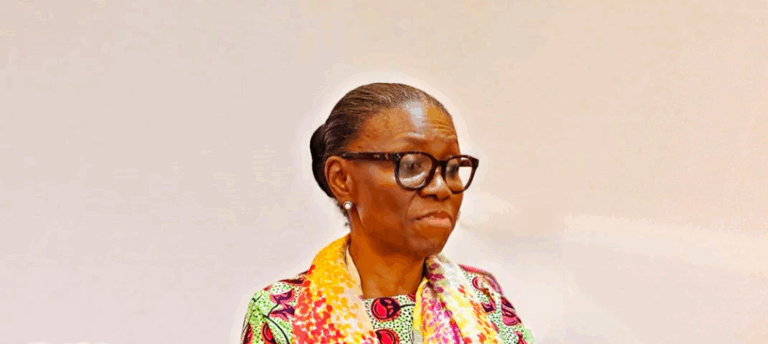
The head of the U.N. peacekeeping mission in South Sudan said the past year had brought “profound challenges” for the country, urging political leaders to translate dialogue into concrete action to end violence and restore public confidence in the peace process.
In a holiday message issued Wednesday, Anita Kiki Gbeho, the officer in charge of the U.N. Mission in South Sudan (UNMISS), said rising violence and prolonged political deadlock have compounded the difficulties faced by communities already struggling with conflict, economic hardship and recurring climate shocks.
Gbeho welcomed recent political engagements aimed at rebuilding compromise and cooperation among South Sudan’s leaders, but said such efforts must be sustained and lead to tangible results.
“These efforts must be translated into concrete action to stop violence and restore public trust in the peace process,” she said.
Looking ahead to 2026, Gbeho noted that South Sudan will mark 15 years of independence while preparing for what would be its first national elections since gaining independence in 2011.
She described the period as a pivotal moment that requires inclusive dialogue and the fulfillment of political commitments, particularly those that protect the rights of women and young people.
Gbeho said UNMISS would continue to carry out its mandate to protect civilians and support the people and government of South Sudan in pursuing lasting peace.
She wished those celebrating Christmas a peaceful holiday season and extended hopes for a safer and more hopeful New Year to all South Sudanese.
South Sudan is struggling to implement a 2018 peace deal that ended a five-year civil war, with key reforms repeatedly delayed. The country has never held national elections since independence in 2011, and polls have been postponed several times amid insecurity, funding gaps and political disputes.
Violence persists in parts of the country, driven by intercommunal clashes and armed groups, while flooding and economic strain have deepened humanitarian needs.

 and then