



Travelers to and from rural areas in South Sudan face many challenges in the country’s transport system, especially at Juba’s Customs Park, where vehicles depart to various far-flung destinations such as Rumbek, Wau, Kuajok, and Aweil, as well as to Western and Eastern Equatoria States, etc. What should be a normal journey has become dangerous, stressful, and uncomfortable for many citizens.
I personally travel from Juba to my home state, Lakes State (Rumbek), especially during school breaks, Christmas, and New Year holidays, to visit my parents, relatives, and friends. The distance from Juba to Rumbek is very long, and places like Aweil near the Sudan border are even farther. Most people use Land Cruisers, Noah vehicles, or medium or large-sized buses. Unfortunately, most of these roads are not paved.
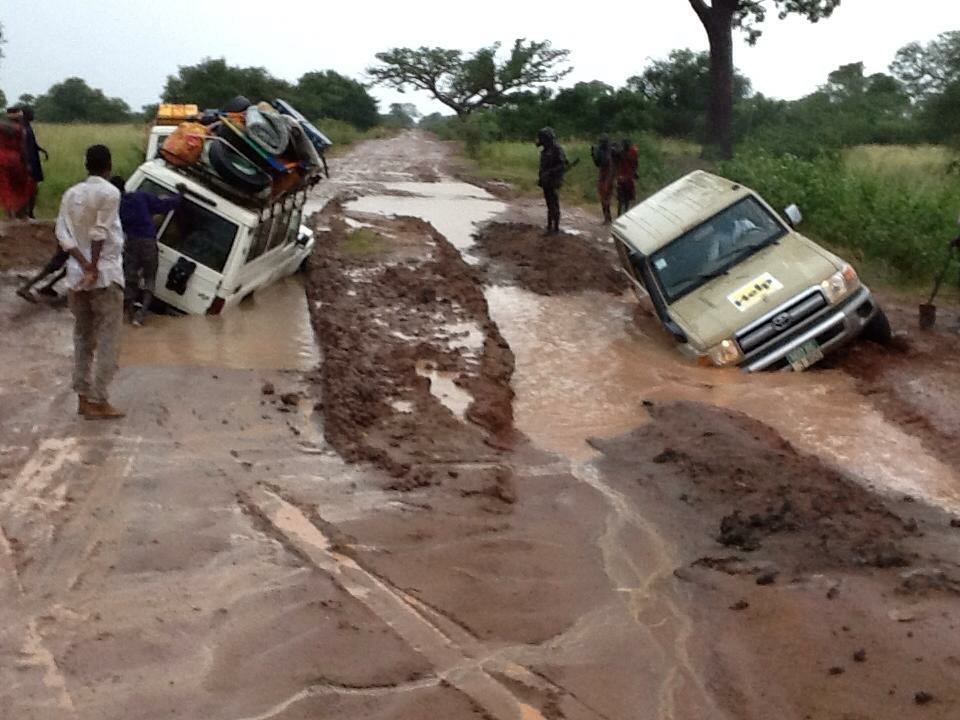
These murram roads are in very bad condition, full of deep potholes. During the rainy season, vehicles often fail to move because the roads become muddy and slippery. When drivers try to force their way through, vehicles may slip, overturn, or roll, leading to damage to property and injuries to passengers. In such situations, travelers are left stranded on the road, waiting for another vehicle to tow them or take them to their destinations, often leaving their luggage behind.
Inside the vehicles, especially Land Cruisers, the situation is even worse. A Land Cruiser is designed to carry about 10 passengers, but in our transport system, drivers overload them with up to 12 passengers in the back and two in the front. People are squeezed like goods, with no space and no comfort, even though they are traveling very long distances. Transport offices and authorities seem to turn a blind eye to this dangerous and inhumane practice.
Women and men are forced to sit tightly mixed, often in opposite directions, with legs crossing each other just to find a small space to stretch. People have to keep changing their leg positions during the long journey, and this can even lead to misunderstandings and conflicts. Many women choose to wear jeans simply to protect their privacy in such crowded conditions. Elderly people, infants, and small children are also packed into these vehicles, with mothers carrying babies on their thighs for many hours of travel.
On top of that, vehicles are heavily overloaded with luggage. Big bags of clothes, wooden and metal beds, jerry cans, and iron sheets are tied on top of the vehicle while 50-kg bags of flour are placed under passengers’ seats. When such a vehicle starts moving, it sways from side to side like a swing. From the beginning of the journey, passengers fear whether they will reach their destination safely.
This situation is not only dangerous but also unhealthy and against cultural norms. There is very little oxygen inside because windows are closed to avoid dust, leading to heat and poor air circulation. People end up breathing the same air repeatedly. Elderly passengers develop joint pains, children and infants suffer from heat and lack of fresh air, and illnesses like flu and cough can spread easily in such conditions. Some passengers experience nausea and vomiting due to rough roads and uncomfortable sitting positions. Others may be affected by air conditioning or dust allergies.
In some cases, the forced physical closeness between men and women for many hours may lead to uncomfortable situations or unwanted interactions, which go against social and cultural values. All these problems arise because passengers are treated more like luggage than human beings.
Overall, people are treated as property at the Customs Bus Park. Drivers and transport offices focus only on money and ignore the health, safety, and dignity of passengers. Government departments responsible for transport regulation and traffic police are present, but they mainly collect taxes and fees without enforcing proper transport standards. Traffic laws and passenger safety regulations are not implemented effectively.
This is not a new problem. Many citizens, including myself, have experienced this situation for many years. It has become normal, yet it is dangerous, unhealthy, and unacceptable. No country that respects its people should allow such conditions to continue.
I strongly urge the government to seriously address this crisis in the transport sector by strictly enforcing regulations, limiting passenger numbers, controlling overloading of luggage, improving road infrastructure, and fining drivers and companies that violate the law. Transport authorities must protect people, not only collect money.
Passengers are not goods. They are citizens who deserve safety, dignity, and humane treatment when traveling within their own country. If South Sudan is to move forward, basic public services like transportation must respect human life and health, not sacrifice them for profit.
The writer is a fresh graduate in Environmental Studies from the University of Juba. He is a concerned citizen who writes about safe public transport, environmental protection, and community development in South Sudan. He can be reached via pannhierasons96@gmail.com.
The views expressed in ‘opinion’ articles published by Radio Tamazuj are solely those of the writer. The veracity of any claims made is the responsibility of the author, not Radio Tamazuj.

 and then