



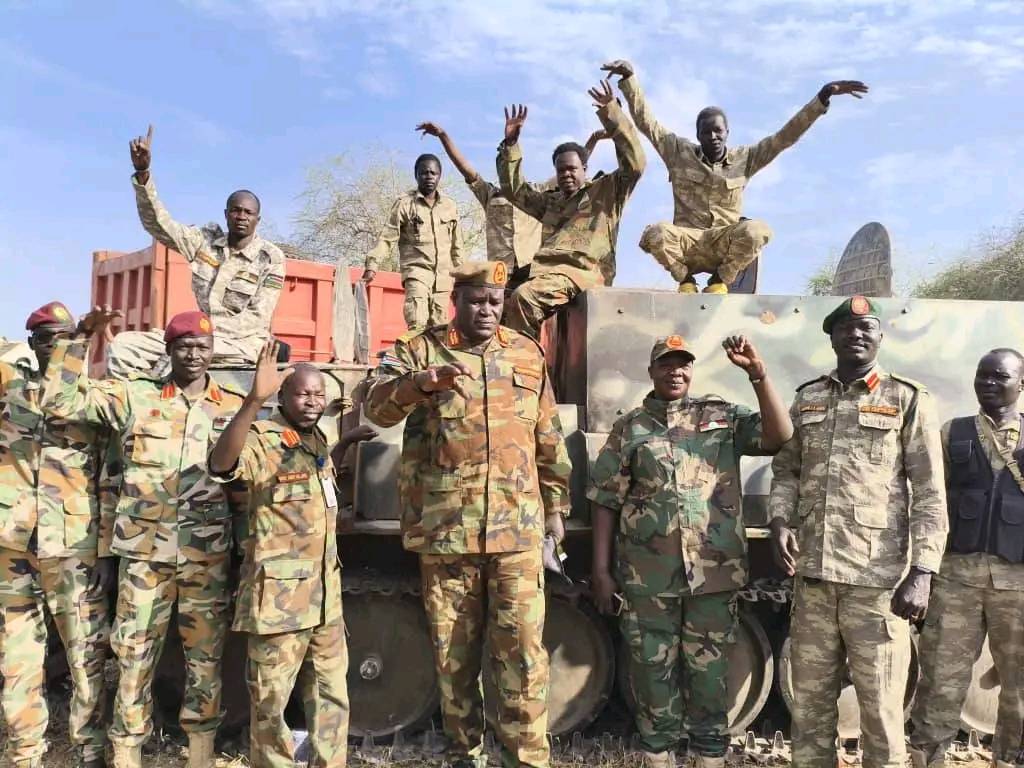
The renewed fighting in parts of the Greater Lou Nuer homeland has once again placed Jonglei at the center of national attention. Reports of recaptured towns by the South Sudan People’s Defense Forces (SSPDF) may signal tactical success. Still, they also raise a deeper and more urgent question: can these gains be sustained, or are they merely temporary shifts in a long cycle of conflict?
South Sudan’s history shows that territorial control is rarely permanent when underlying political and structural problems remain unresolved. Many of the towns now contested were once under firm government presence for years. Yet control changed hands. That reality alone should caution against celebrating battlefield victories as lasting achievements.
The first test of sustainability is logistics. Jonglei’s geography is unforgiving. During the dry season, roads are usable and military movement is easier. But when the rains arrive, much of the region becomes isolated. Flooded roads, broken supply chains, and limited air access can quickly weaken even well-positioned forces.
Holding a town without reliable resupply is like defending a fortress without food. If SSPDF does not adequately prepare before the rainy season, its presence in recaptured areas may become vulnerable.
However, logistics is only part of the story.
The more decisive factor is legitimacy. Military presence alone does not equal control. Sustainable authority depends on whether local communities feel protected, respected, and included.
In Greater Lou Nuer, identity, historical grievances, and political loyalties remain powerful forces. If civilians perceive government forces as stabilizers who restore services and protect lives, control can gradually solidify. But if communities feel alienated or insecure, opposition influence can resurface quietly and effectively.
Real control means markets reopen, schools function, health services operate, local administrators return, and civilians move freely without fear. Without these elements, a town may appear secure by day while remaining politically fragile beneath the surface.
There is also a broader national context that cannot be ignored. The incomplete implementation of peace agreements and the slow pace of security sector reforms continue to weaken long-term stability. As long as rival armed structures exist and political mistrust persists, territorial shifts will likely continue. Military dominance cannot substitute for political settlement.
The central question is not whether SSPDF can deploy troops. The question is whether the government can convert its military presence into lasting governance. History suggests that force can capture territory, but only political inclusion, institutional reform, and community trust can keep it.
In conclusion, if SSPDF truly seeks to hold Jonglei’s recaptured towns, it must think beyond the battlefield. Guns can take ground, but they cannot alone secure loyalty, legitimacy, or long-term peace. Without effective logistics, genuine civil engagement, and meaningful political progress, today’s victories risk becoming tomorrow’s retreats.
Sustainable control in Jonglei will not be measured by how many flags are raised over town centers, but by whether civilians feel safe, services are restored, and political tensions are reduced. If those conditions are not met, control will remain seasonal; strong in dry months, uncertain in rains, and fragile in the face of renewed confrontation.
In the end, the difference between temporary occupation and lasting stability lies not in firepower, but in governance. If that lesson is ignored, the cycle will continue. If it is embraced, Jonglei could finally move from contested ground to shared peace.
The writer is a media specialist and development practitioner (leek2daniel@gmail.com)
The views expressed in ‘opinion’ articles published by Radio Tamazuj are solely those of the writer. The veracity of any claims made is the responsibility of the author, not Radio Tamazuj.

 and then