



In South Sudan, the belief that guns can solve political and national problems has been tested repeatedly and has failed repeatedly. Yet, despite painful lessons from our own recent history, some leaders and groups continue to conclude that violence is the answer. The tragedies of 2013 and 2016 should have ended this illusion once and for all.
The conflict that erupted in December 2013 was justified by its architects as a necessary action to “save the nation”. Instead, it shattered the country. Tens of thousands of lives were lost, millions were displaced, and communities that once lived together turned against one another. The war did not resolve political disagreements; it hardened them. It did not strengthen the state; it nearly collapsed it.
Three years later, in July 2016, South Sudan repeated the same mistake. Once again, guns were chosen over dialogue. Once again, leaders believed force could impose political order. The result was not stability, but deeper fragmentation, economic collapse, and the near-total loss of public trust. If guns were the solution, South Sudan would have been at peace by now.
These two moments alone should be enough evidence that violence does not work. Guns did not deliver justice. They did not create unity. They did not build institutions. All they achieved was suffering. Suffering that ordinary citizens continue to bear long after the political elites return to negotiations.
The continued reliance on armed confrontation reveals a deeper problem: The refusal to address the root causes. Power struggles, weak institutions, ethnic manipulation, corruption, and exclusion cannot be solved through military victories. In fact, violence only amplifies these problems, making compromise harder and reconciliation more distant.
It is time to ask an honest question: If guns failed in 2013 and again in 2016, why do we expect them to succeed now? Repeating the same action while hoping for a different outcome is not a strategy-it is recklessness.
A different path is not only possible; it is necessary. South Sudan needs inclusive political dialogue, credible reforms, accountability for past crimes, and genuine investment in national institutions rather than armed groups. Peace agreements must be implemented in both letter and spirit, not treated as temporary pauses between wars.
True leadership in South Sudan today means resisting the temptation of the gun and choosing the harder path of wisdom. It means understanding that power gained through violence is temporary, but peace built through dialogue can endure. Nations are not built by those who destroy them to win arguments.
To those who still conclude that guns are the solution, history has already given its verdict. The wars of 2013 and 2016 did not save South Sudan. They nearly destroyed it. If we truly love this country, then the lesson is clear: when guns fail, wisdom demands a different strategy.
South Sudan stands at a decisive crossroads. We can continue down a familiar road, one lined with graves, displacement camps, and broken promises, or we can finally choose a different future. The evidence is undeniable, written in painful detail into our national memory by the wars of 2013 and 2016. Guns have failed us, and denial will not change that truth.
This is a call to the political leaders, the armed groups, the community elders, youth, and the diaspora: reject violence as a political tool. Demand dialogue instead of destruction. Demand reforms instead of revenge. Demand leadership that builds institutions, not militias; unity, not fear.
Peace will not emerge from another round of fighting. It will only come when South Sudanese speak with one voice and say, clearly and firmly: enough. Enough killing in the name of power. Enough wars without winners. Enough futures stolen from our children.
The courage South Sudan needs today is not the courage to pull a trigger, but the courage to change course. To those who still believe the gun is the answer, history has already delivered its verdict. The responsibility now rests with us to choose wisdom over violence, peace over pride, and a different strategy before the cost becomes unbearable once again.
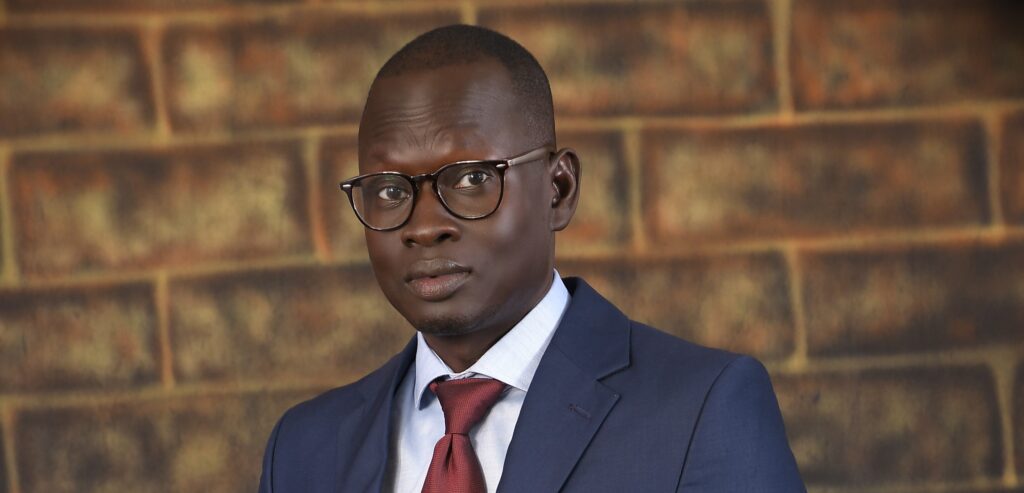
The writer, Leek Daniel, is a media specialist & development practitioner. He can be reached via email: leek2daniel@gmail.com

 and then