



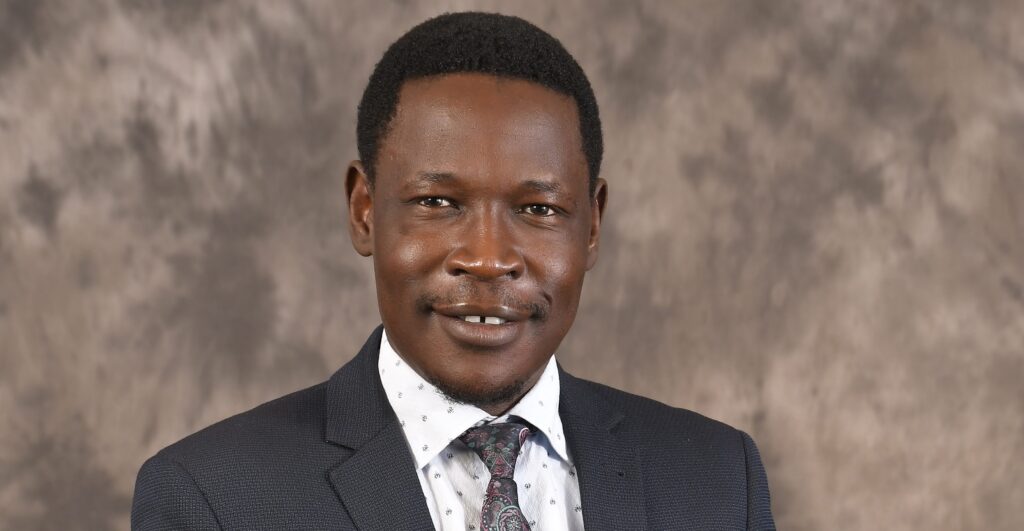
By any standards, the January 2, 2026 crowd turnout in Aweil, Northern Bahr el-Ghazal, donning red SPLM attire and chanting slogans such as; SPLM akuma bitana and akuma bitana SPLM, deserves serious political scrutiny. It may look like loyalty. It may sound like popularity. But beneath the songs and colors lies a troubling question that Aweil—and South Sudan at large—can no longer afford to avoid.
Let me be clear: I respect Charles Madut Akol as a genuine SPLA veteran, much like my own father—a generation that sacrificed everything for liberation. That history commands respect. But respect for individuals must not be confused with blind endorsement of a party whose record in power has failed the very people now chanting its name.
The central question is not whether SPLM can mobilize crowds. Authoritarian systems are often very good at that. The real question is this:
Is SPLM still genuinely popular in Aweil, or are the people trapped in political ignorance, fear, or a culture of sycophancy that rewards praise and punishes dissent?
Northern Bahr el-Ghazal is often described as the most peaceful state in South Sudan. Yet paradoxically, this peace has not translated into prosperity.
According to development data, Northern Bahr el-Ghazal has consistently recorded the highest rates of poverty across South Sudan. In fact, poverty in Northern Bahr el-Ghazal stood at 76%—the highest among all the 10 states. Food insecurity is chronic, and malnutrition levels are above emergency thresholds. Youth unemployment is staggering. Families survive on remittances, not local economic opportunity.
Peace should have been Aweil’s dividend. Instead, peace has become a cover story for neglect. These conditions beg a tough question: Why support a party whose leadership presides over such persistent underdevelopment?
If SPLM governance truly works, then Aweil should be a showcase of development—paved roads, functioning hospitals, productive agriculture, and empowered youth. Instead, it is a reminder that peace alone means nothing without accountable leadership.
Across South Sudan, SPLM has lost moral authority. The liberation narrative no longer feeds hungry children. Independence slogans do not build schools. Songs cannot replace salaries.
From Jonglei to Upper Nile, from Equatoria to Greater Bahr el-Ghazal, the story is the same:
– corruption without consequences
– elections postponed
– power recycled among the same elites or families
– citizens reduced to spectators in their own country.
SPLM today survives, not on performance, but on fear, nostalgia, ethnic calculation, and control of state resources.
So why the red uniform in Aweil?
The turnout in Aweil forces uncomfortable reflection. Several explanations emerge—none flattering:
– Political conditioning: Years of equating SPLM with “government” have trained citizens to believe loyalty is survival.
– Fear and dependency: In a system where access to aid, jobs, and security often depends on political alignment, public enthusiasm becomes transactional.
– Information poverty: Without civic education and independent media, political symbolism replaces political analysis.
– Elite collaboration: Local leaders benefit from maintaining the status quo, even as ordinary citizens suffer.
This raises a painful but necessary question:
At what point does silence become complicity?
Loyalty to a party or loyalty to the future?
Supporting SPLM today is not neutral. It is not harmless. It is a political choice that helps normalize failure.
No people can sing their way out of poverty. No nation can chant itself into development.
If Aweil—peaceful, resilient, historically disciplined—continues to reward misrule with applause, then it risks becoming a symbol of how oppression survives through consent rather than force.
This is not an attack on Aweil. On the contrary, it is a call to its conscience. The people of Aweil deserve better than symbolic politics. They deserve leadership that delivers roads, schools, dignity, and opportunity. They deserve a future where loyalty is earned through service—not demanded through fear or nostalgia.
As South Sudan approaches another uncertain political chapter, one truth must be stated plainly:
No party is entitled to eternal loyalty. No liberation history excuses permanent failure.
The question is no longer whether SPLM can mobilize crowds. The real question is whether Aweil will mobilize its courage—to think, to question, and to choose its future wisely.
Remember, history will not judge the songs we sang. It will judge the choices we made.
The writer, Diing Deng Mou, is a political activist, former political prisoner, co-founder, and current chair of the 7 October Movement. He can be reached via email: diingmouaguer@gmail.com
The views expressed in ‘opinion’ articles published by Radio Tamazuj are solely those of the writer. The veracity of any claims made is the responsibility of the author, not Radio Tamazuj.

 and then