



Weak enforcement of tax laws, policy loopholes and selective implementation are costing South Sudan millions of dollars in lost revenue, a senior finance official said Thursday, as the country faces shrinking donor support and severe fiscal constraints.
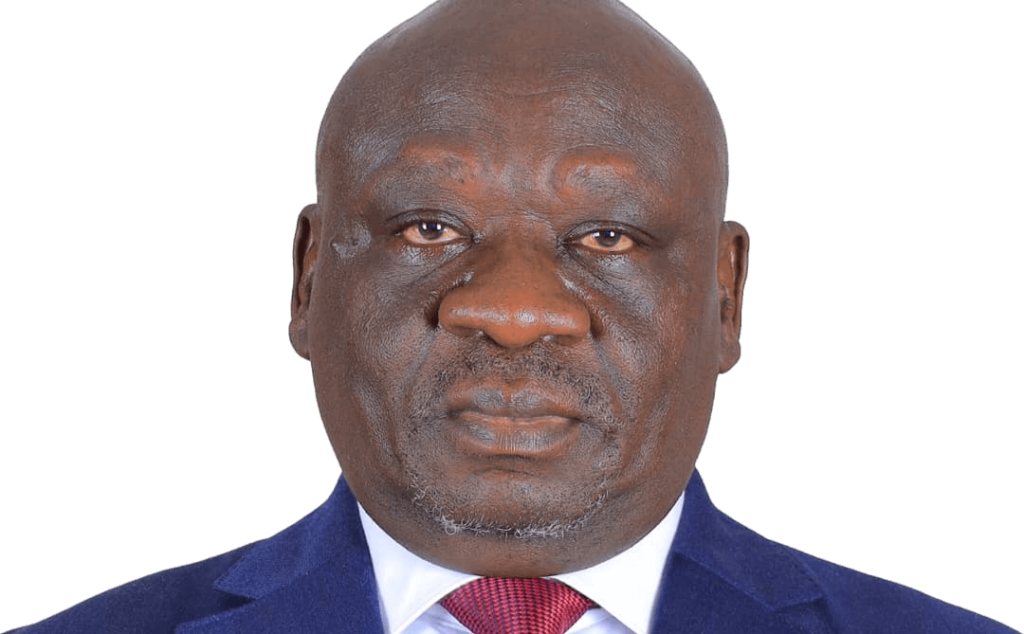
Benjamin Ayali Koyongwa, Undersecretary for Planning at the Ministry of Finance and Planning, spoke at the launch of two World Bank reports in Juba, warning that long-standing weaknesses in revenue collection must be addressed.
“From independence up to last year, our development partners and donors have been stepping in to provide these services to our people. Now that support is shrinking,” Ayali said.
He stressed that despite budget pressures, health and education must remain protected. “These are two key services that can never be compromised,” he said, calling for better mobilisation and management of domestic revenue.
Ayali highlighted structural problems in the oil sector, South Sudan’s main source of income, and said reforms such as improving transparency, efficiency, and ending advance oil payments could significantly boost government funds.
“If we stop pre-payment or advance payment, will that improve our production and put more funds in the government coffers? The answer is yes. It is possible,” he said.
The official criticised selective enforcement of tax laws, pointing to customs valuation practices as a major source of revenue loss. He cited resistance to implementing provisions of the Finance Act approved by parliament.
“We argued that we are losing a lot of money in this process,” he said, giving the example of importers paying customs fees in local currency at outdated exchange rates, which drastically reduces government earnings.
Ayali warned that similar loopholes persist across the tax system, and that reported increases in non-oil revenue may be misleading. “Is it due to inflation? Is it due to the exchange rate? What is the real value of that increase?” he asked.
To address these challenges, he called for digitising revenue collection to reduce human interference, improving pay and discipline for tax collectors, and enhancing taxpayer education.
Ayali also confirmed plans to introduce a value-added tax (VAT) regime by July 2026, noting that current VAT collections contribute less than one percent of government revenue, far below regional averages.
“Our peers in the region, their VAT contributes not less than 25 percent. Ours is less than one percent,” he said.
Despite the challenges, Ayali said consistent implementation of reforms could stabilise public finances. “The fiscal space is very narrow, but we can manoeuvre it forward only when we put in place and implement the right reforms,” he said.

 and then