



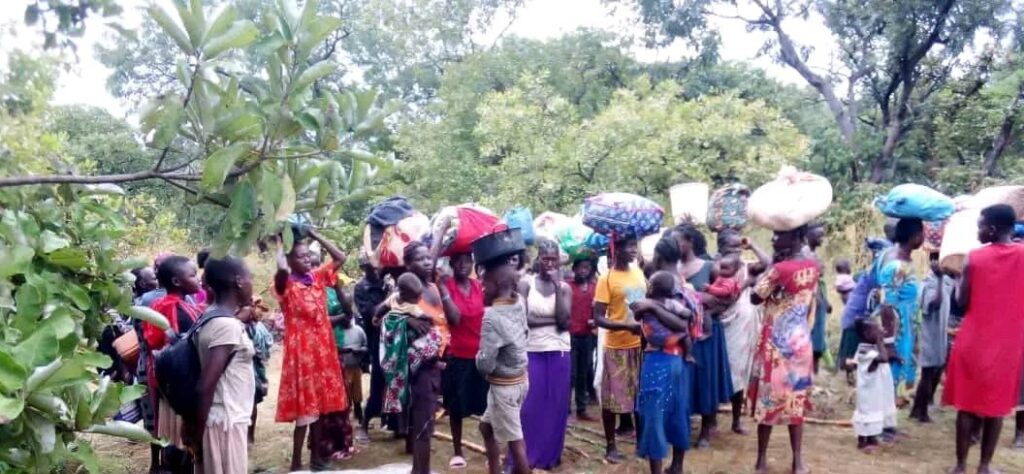
Health facilities across Nagero County in Western Equatoria State have run out of essential medicines, prompting residents to appeal for urgent humanitarian support.
Community members say children, pregnant women and older people are the most affected, with many patients turned away from clinics because no drugs are available. Others are forced to travel long distances for treatment or rely on traditional remedies.
The community members warn that without urgent intervention, preventable diseases could cause further suffering and loss of life.
Pascal William Banda, the acting health director for Nagero County, told Radio Tamazuj that the situation worsened after several health facilities were vandalized during recent fighting.
Facilities affected include Nagero Primary Health Care Center and the primary health care units in Kuro, Bandala, Duma and Maringindo, he said.
“We last received three cartons of drugs from the Red Cross in November 2025, and they are now finished,” Banda said. “We receive patients daily, but there are no medicines. Most cases are malaria, diarrhea and pneumonia.”
Banda said there is currently no anti-malaria medicine available anywhere in the county, warning that the shortage could lead to preventable deaths, particularly as many communities lack clean water and adequate food.
He called on humanitarian organizations to urgently assess the situation and provide medical supplies.
Local resident Ditta Mariano said families are increasingly distressed by the lack of treatment.
“Women, children and the elderly are suffering,” she said. “Medicines are very important, and the government should help us.”
Youth representative Emmanuel Bingo said drugs were looted from health facilities during the conflict.
“Since the fighting, medicines were taken from PHCCs and PHCUs,” he said. “The situation is very bad, and we need government support.”
Nagero County Commissioner Gabriel Bernado confirmed that living conditions have continued to deteriorate since September, despite improved security.
“Although the security situation is now calm, there are no drugs,” he said. “Cooking utensils and other household items were looted or destroyed during the war.”
He urged the government and aid partners to intervene immediately.
Western Equatoria State Health Minister James Abdallah Arona said the drug shortage affects all 10 counties in the state.
“This is not only a problem in Nagero County,” Arona said. “Medicines are supplied by the national government. They promised delivery in December, but we have not received any consignment.”
He appealed to residents to remain patient, saying the state government continues to engage national authorities to address the crisis.
South Sudan’s health sector is chronically underfunded and heavily dependent on international donors. Public spending on healthcare remains among the lowest in the region, leaving basic services vulnerable to disruption when conflict, looting or delayed supplies occur.

 and then