



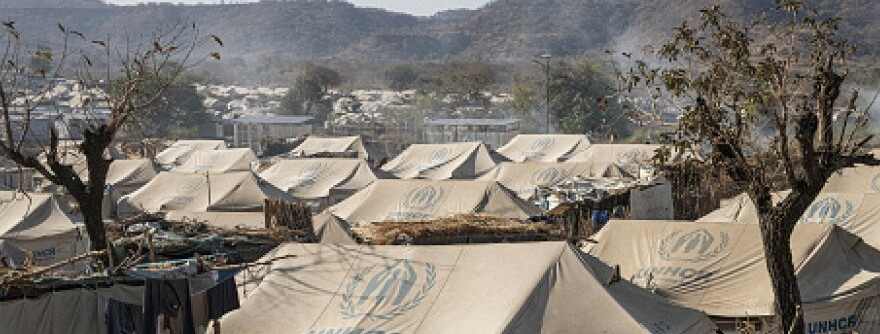
Ethiopia’s refugee response is on the verge of collapse, three leading aid agencies warned Friday, saying a severe funding shortage could halt essential services for more than 1.1 million people within weeks.
The government’s Refugees and Returnees Service, the U.N. refugee agency and the World Food Program said life-saving support — including food, water and health care — is at risk. Ethiopia is Africa’s second-largest refugee-hosting country, with arrivals surging due to conflicts in Sudan and South Sudan and drought in Somalia.
Funding shortfalls have already forced a 70% cut to emergency relief supplies this year.
“Ethiopia has honored its commitments to protect refugees, but this heavy responsibility cannot be borne by the government alone,” said Teyiba Hassen, director general of the Refugees and Returnees Service. She said resources are “stretched to the limit” and called for immediate international support to “avoid humanitarian catastrophe.”
Aissatou M. Ndiaye, country representative for UNHCR, described the situation as “unprecedented and deeply alarming.”
The impact is already severe. In October, WFP cut food rations for 780,000 refugees to 40% of the standard entitlement — providing less than 1,000 calories per day. Only 70,000 newly arrived refugees still receive full rations.
“As food runs out, families are being pushed into survival mechanisms,” said Zlatan Milišić, WFP’s country director in Ethiopia. He said the agency needs $90 million to sustain operations for the next six months and may be forced to suspend all food assistance in coming months without immediate new funding.
Malnutrition rates in camps now exceed 15%. Mortality among newborns and infants under 1 year rose to 4.7% this year, and malnutrition admissions have more than doubled since 2024.
WFP analysis projects that cutting rations from 60% to 40% will quadruple the number of refugee families with poor diets — from 1 in 10 households to 4 in 10. Negative coping strategies, like skipping meals, selling assets or pulling children from school, have increased by two-thirds.
Water supplies have dwindled to an average of 12-14 liters per person daily — below the 15-liter emergency standard — and drop as low as five liters in some areas. Funding for 57 primary schools serving 110,000 refugee children is exhausted; the schools are set to close Dec. 31.
The agencies warned that shutting schools increases risks of early marriage, child labor and trafficking for thousands of children.
In a joint appeal, the government, UNHCR and WFP urged the international community to provide financial support equal to Ethiopia’s long-standing commitment to host refugees.
“Ethiopia has kept its doors open, but it cannot bear this responsibility alone,” they said.

 and then